Over-consumption: spotting the signs
In the UK, approximately 350,000 tonnes of clothing waste are sent to landfill every single year. (Waste Managed, 2024). Each British person throws away 3.1kg of textiles each year on average, with 1.7kg ending up in landfill.
These are the facts, but here’s the reality: more often than you’d think, we have all fallen victim to over-consumption. Think Valentine’s day, multipack clothing and getting a new phone every single year - just to keep up with what’s trending. Every year, landfills see a growth in our textile waste and it is more important now than ever before that we understand how to shop and style with more intentional sustainability in mind.
What is it?
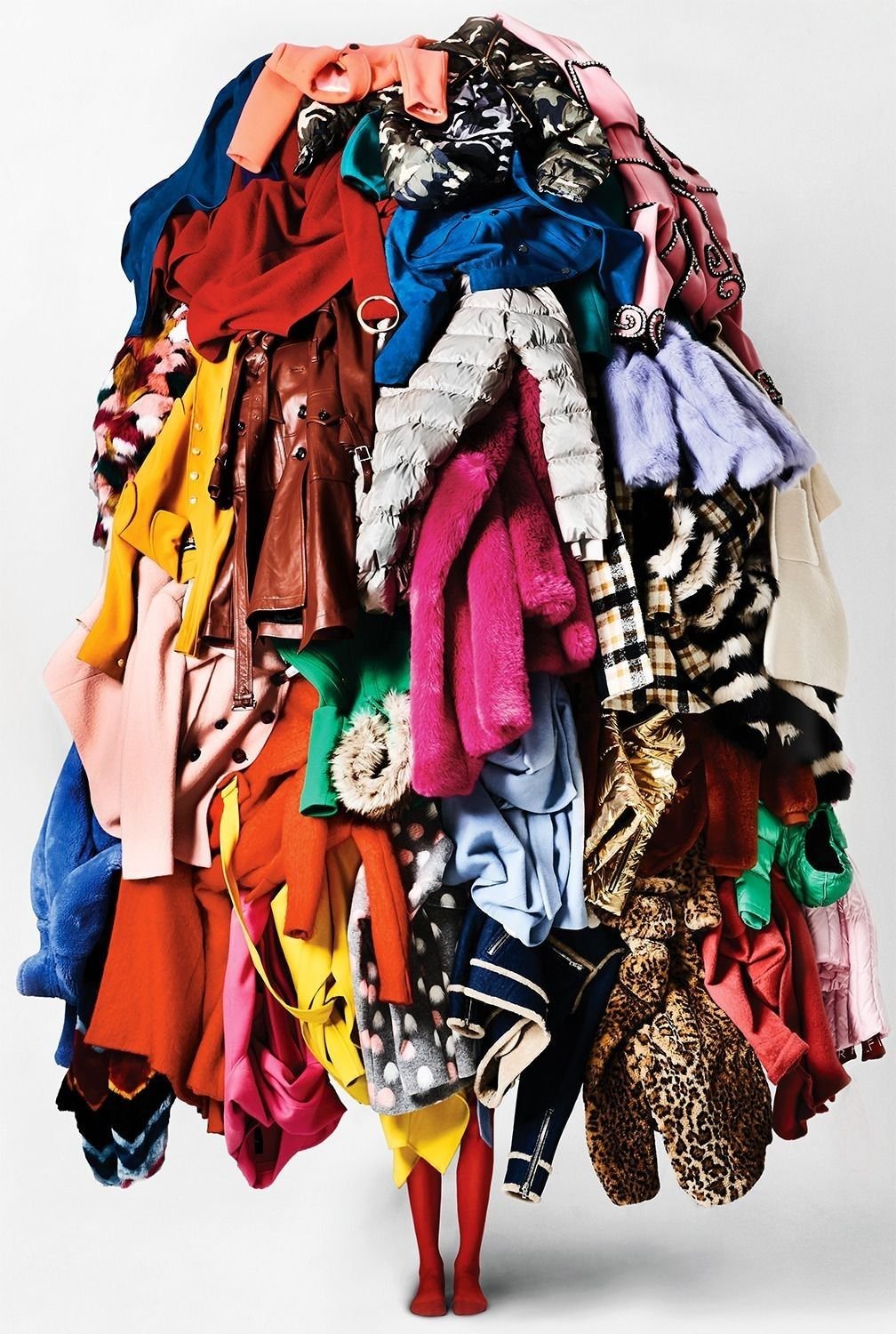
Over-consumption: a situation where consumers overuse their available goods and services to where they cannot or do not want to, replenish or reuse them.
In short, over-consumption is the state of overbuying, under-using and therefore wasting (both time and money!).
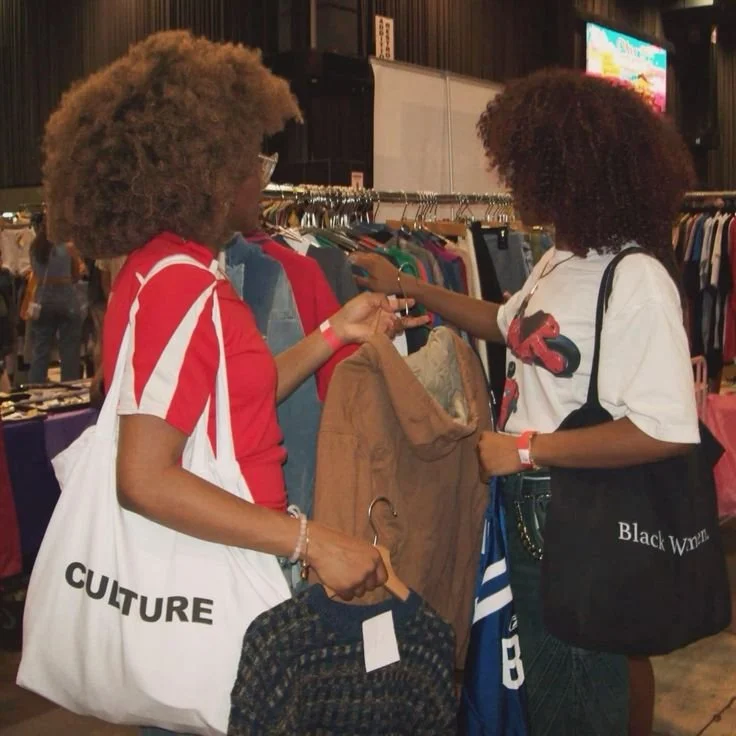
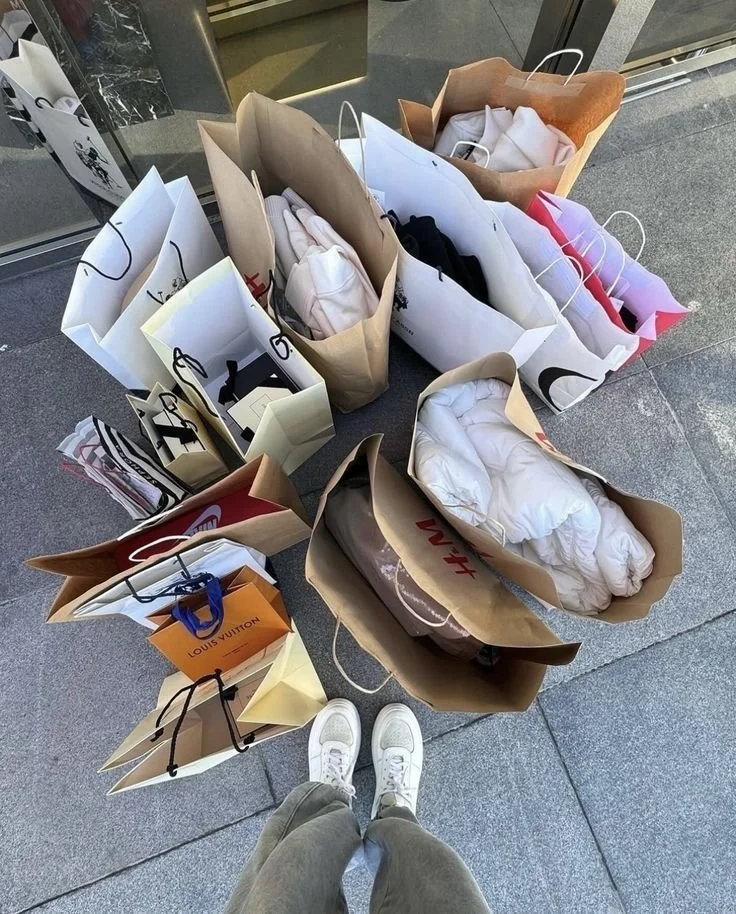
This could look like going shopping on the high street and picking up a black tank top - even though you have 3 at home. Alternatively, it could be OVER-thrifting! Many people believe that second-hand shopping is 100% sustainable and while it does contribute to a healthier fashion life-cycle, it is still very possible to over-buy in a charity shop just as much as in New Look.
How to avoid it:
Here are 5 ways you can shop more sustainably:
Make a wardrobe inventory and keep it up to date! It’s very easy to forget what pieces you already own, being familiar with what is actually in your wardrobe can prevent you from buying unnecessary duplicates. TKM app is a great way to store your wardrobe digitally!
Shop locally or at second-hand stores. Buying something from that little handmade clothing boutique round the corner supports a local business AND also reduces the carbon footprint relating to transporting goods over long distances.
Choose quality over quantity. Investing in a high-quality piece for a heavier price tag will benefit you more in the future than purchasing the cheaper option, as they’re usually made with low-quality materials (aka polyester) which you’ll have to replace every couple of months anyway.
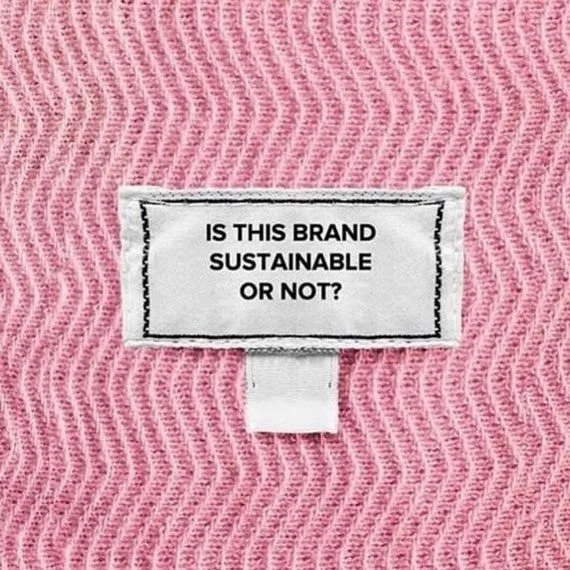
Research brands (bonus points if you review their sustainability ethos). Understanding their impact and thoughts on sustainability could help you decide whether you are willing to invest your money or not. Look for brands that have a genuine commitment to sustainability!
Before purchasing something new, consider its life-cycle potential. Will you actually get your money’s worth?
Where to learn more…
There are so many educators across the internet that offer real, insightful and honest contributions around sustainability within the fashion industry. Keeping up to date with what is happening locally and globally will ultimately guide you to shopping with more intention. This is a skill that you can then share with family and friends or other communities, together helping to reduce landfill caused by fashion waste.
Here are 3 great access-points to explore further!
www.wastemanaged.co.uk
@rachael.grif on instagram and tiktok
www.fashionrevolution.org